


Introduction
Shilajit is a natural, mineral‑rich resin traditionally used in systems like Ayurveda to support energy, resilience, and overall wellness. To get the most from it and stay safe, it is important to pay attention to dosage, timing, product quality, and how it fits with your health and medications.
Understanding Shilajit Forms
Shilajit comes in several common forms, and how you take it depends partly on which one you choose.
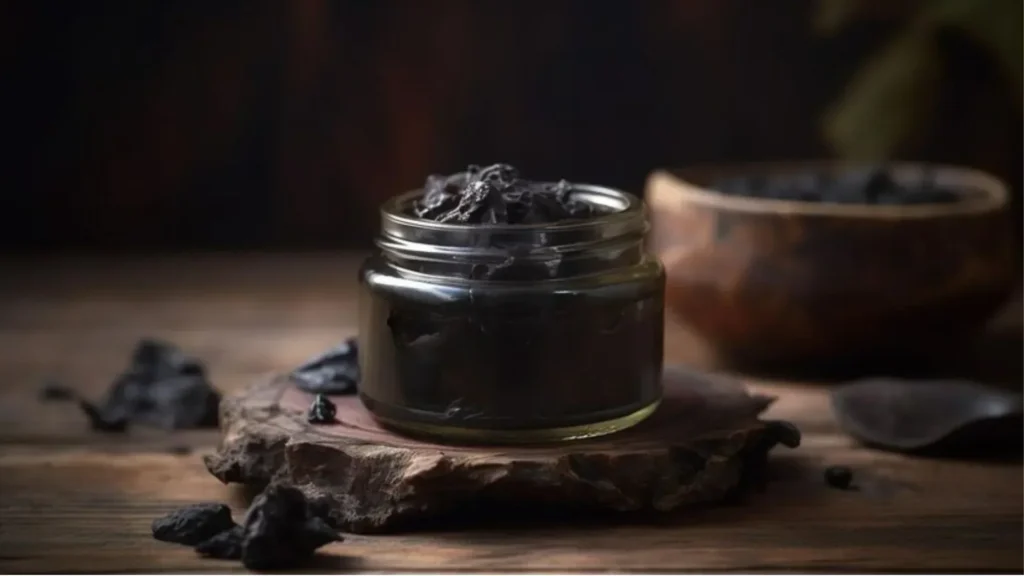
- Resin: The most traditional form, a sticky, tar‑like substance that you dissolve in a warm drink.
- Capsules/tablets: Pre‑measured doses of shilajit extract or powder, convenient for those who dislike the taste.
- Powder: Less common, usually mixed into water, milk, or smoothies, similar in use to other powdered supplements.
All forms should come from a purified, tested source and include clear serving instructions on the label.
Safe Dosage: How Much to Take
There is no single universal dose for everyone, so most guidance focuses on ranges and “start low, go slow.”
- Follow the label: Respect the suggested serving size provided by your brand, especially if it is standardized for fulvic acid or other components.
- Start at the low end: For resin, beginners often start with a small pea‑sized amount once daily; for capsules, start with the lowest recommended daily dose.
- Increase gradually, if needed: Only consider increasing slightly after a week or more if you feel well and want stronger effects, and never exceed the maximum stated on the product.
More is not always better; high doses increase the chance of side effects like digestive discomfort or headache.
Best Timing: When to Take Shilajit
Timing can influence how shilajit feels in your day.
- Morning use: Many people take shilajit in the morning, often with or after breakfast, to support energy and focus throughout the day.
- Second dose (optional): Some add a small second serving in the early afternoon if needed, but this should still stay within the daily limit on the label.
- Avoid late evenings if sensitive: If shilajit makes you feel more alert, it may be best to avoid taking it close to bedtime.
Consistency, taking it at roughly the same time each day, can make effects easier to notice and track.

How to Take It: Practical Tips
A few simple habits can make taking shilajit easier and more comfortable.
- With resin:
- With capsules/tablets:
- Stay hydrated: Keep drinking enough water during the day, especially if you are increasing activity or starting new supplements
How Long Until You Notice Effects?
People respond differently to shilajit, and expectations should stay realistic.
- Some notice subtle changes in energy or stamina within a few days of daily use.
- For others, benefits only become noticeable after 2–4 weeks of consistent intake.
- Because changes can be gradual, some people find it helpful to track sleep, energy, or workouts in a simple journal.
If you feel unwell or notice strong negative effects, stop taking shilajit and seek medical advice.
Safety First: Who Should Be Careful
Even though many people tolerate shilajit well, it is not suitable for everyone.
You should avoid or use only under medical supervision if:
- You are pregnant, breastfeeding, or trying to conceive.
- You have serious heart, kidney, or liver disease, or another major chronic condition.
- You take prescription medicines, especially for blood sugar, blood pressure, or blood clotting.
Signs to stop immediately and contact a professional include rash, breathing difficulty, severe digestive issues, or any unusual symptoms shortly after taking shilajit.
Quality Matters: Choosing a Safe Product
Safe use starts with a trustworthy product.
Look for:
- Purified, processed shilajit: Avoid raw shilajit scraped directly from rocks it may contain heavy metals, fungi, and other contaminants.
- Third‑party lab testing: Reputable brands share or summarize tests for heavy metals (like lead, arsenic, mercury) and microbial contamination.
- Clear origin and labeling: The label should state where shilajit comes from, how to use it, and who should avoid it.
If this information is missing or vague, consider choosing another brand.
Simple Do’s and Don’ts
Do:
- Start with a low dose and follow the label instructions.
- Take it at consistent times, often in the morning.
- Check for purification and lab testing before buying.
- Talk to a healthcare professional if you have medical conditions or use regular medication.
Don’t:
- Use raw, unprocessed shilajit from unverified sources.
- Exceed the recommended daily dose “to feel more” quickly.
- Treat shilajit as a replacement for medical treatment or healthy lifestyle habits.
Conclusion
Taking shilajit safely is mostly about combining the right dose, timing, and form with a high‑quality, tested product and honest awareness of your own health. When used carefully and alongside proper sleep, nutrition, and movement not as a shortcut or cure‑all shilajit can be a thoughtful addition to a broader wellness routine.
